Social Media in the Education: How It's Reshaping the Way Students Learn
Sep 22, 2026
How social media is changing education, from collaborative learning to career networking plus the risks, benefits, and tips for using it safely.
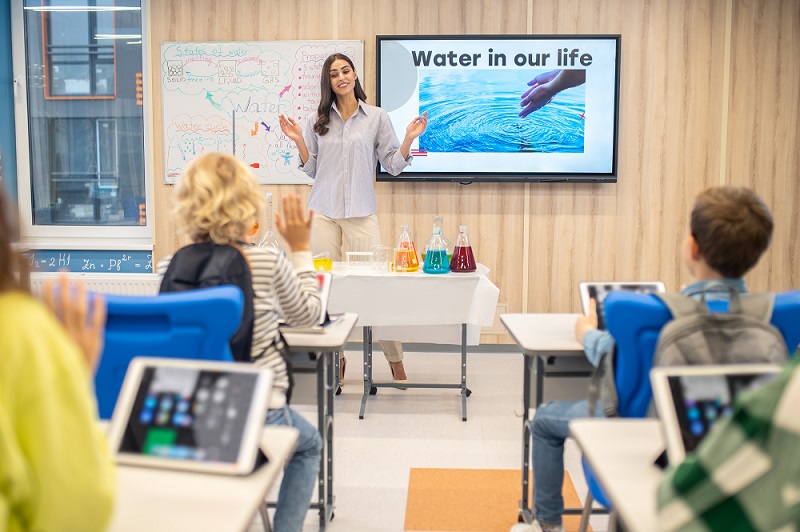
Imagine a high school biology class where students aren't just taking notes from a textbook, they're watching a dissection tutorial on YouTube, debating a climate change article shared in a class WhatsApp group, and messaging their teacher a question at 9 p.m. before an exam.
Social media didn't start as an education tool. It was built for connecting friends and sharing photos. But somewhere along the way, teachers, students, and entire school systems figured out that the same platforms people use to follow celebrities could also be used to follow lectures, share resources, and build study groups that never sleep.
This shift raises real questions, though. Is scrolling through Instagram between classes actually helping students learn, or is it just another distraction dressed up in academic language? Let's break down what social media in education really looks like, where it shines, where it stumbles, and how to make it work without letting it work against you.
Understanding Social Media in Education
At its core, social media in education refers to using platforms like YouTube, Instagram, LinkedIn, WhatsApp, and X to support teaching and learning. Whether that's a teacher posting a homework reminder or a school running a virtual open house.
These platforms were never designed exclusively for classrooms. But their strengths - easy sharing, real-time interaction, and low barriers to entry- turned out to be exactly what modern education needed. A student in a rural town can now watch a physics lecture from a professor halfway across the world. A shy kid who never raises their hand in class might ask a detailed question in a group chat instead.
That's the real shift: learning stopped being confined to four walls and a bell schedule. It became something that could happen on a bus ride home, during a lunch break, or at midnight when a concept finally clicks.
Why Schools and Students are Turning to Social Media
Today's students grew up with smartphones in their hands, so meeting them where they already are just makes sense.
Here's how different platforms typically show up in an educational setting:
- YouTube - long-form tutorials, recorded lectures, exam prep videos
- LinkedIn - networking, internship hunting, building a professional presence early
- WhatsApp - quick class updates, group project coordination, parent-teacher communication
- Facebook - alumni groups, school community pages, event organizing
- Instagram - behind-the-scenes looks at campus life, visual storytelling for student clubs
- X (formerly Twitter) - following academic conversations, breaking research news, quick discussions
None of these platforms was built with a syllabus in mind, but that's exactly what makes them flexible enough to fit into so many different learning styles.
Uses of Social Media in Education
Here's what social media actually does for students day to day, not just in theory. Here's what social media actually does for students day to day, not just in theory.
Keeping Everyone in the Loop: Gone are the days of relying solely on printed notices that get lost in a backpack. A quick post in a class group can announce a schedule change, a cancelled test, or a permission slip deadline, and parents see it just as quickly as students do.
Making Group Work Less Painful: Anyone who's tried to coordinate a group project over email knows the pain of messages getting buried. Social platforms let students brainstorm, share drafts, and divide tasks in a single continuous thread rather than a scattered inbox.
Access to Resources: A confusing textbook chapter becomes a lot less confusing after watching someone explain it visually, step by step. This is where platforms like YouTube genuinely shine - students can pause, rewind, and rewatch until the concept sticks.
Building a Resume Before Graduation: Students who start networking on LinkedIn early often land internships they wouldn't have found otherwise. It's not just about résumés anymore; it's about visibility, and social media gives students a head start on that.
Sharpening Skills That Actually Matter Later: Writing captions, editing short videos, moderating online discussions- these might sound like hobbies, but they translate directly into digital literacy and communication skills that employers increasingly expect.
The Upside: Where Social Media Genuinely Helps
Before diving into the risks, it's worth being honest about what's working well.
The Downside: Where It Gets Complicated
It would be misleading to pretend social media is all upside. Here's where things can go wrong.
- Focus takes a hit. It's hard to study for a chemistry test when a notification keeps pulling your attention elsewhere.
- Privacy isn't guaranteed. Oversharing personal details can open the door to data breaches or identity theft.
- Cyberbullying is real and damaging. Negative comments or exclusion online can follow a student home in a way schoolyard conflicts never could.
- Not everything online is true. A confident-sounding post isn't the same as a fact-checked source, and students don't always know the difference.
- Screen time adds up fast. Long hours in front of a screen can chip away at sleep, physical activity, and overall well-being.
How to Use Social Media Responsibly
Being responsible online doesn't require becoming a digital hermit. It's mostly about small, consistent habits. Here's a practical checklist:
- Keep personal details (address, phone number, school schedule) off public posts.
- Pause before posting—if you wouldn't say it to someone's face, don't type it either.
- Use strong, unique passwords and enable two-factor authentication where possible.
- Double-check information against a credible source before sharing it further.
- Keep online conversations respectful, even in disagreements.
- Set boundaries—decide on screen-free hours for studying, meals, or sleep.
- Adjust privacy settings so only trusted people can see your content.
- Report or block anything that feels harmful, and don't hesitate to loop in a trusted adult.
Where This is All Heading
The next phase of social media in education probably won't look like flashier apps - it'll look like smarter, more localised use of the tools we already have.
Educators are increasingly creating content in regional and local languages, which matters a lot for students in remote or underserved areas who've historically been left out of English-dominant online learning spaces. Expect to see more of this: hyper-local study groups, region-specific tutoring content, and communities built around shared language rather than just shared subjects.
AI-assisted content recommendations, live-streamed classes, and short-form educational video (think bite-sized explainers rather than hour-long lectures) are also becoming more common as platforms evolve. The schools that get the most out of this shift will likely be the ones that pair the technology with clear guidance - teaching students not just how to use these tools, but how to use them well.
Frequently Asked Questions
How can schools encourage safe social media habits among students?
Schools tend to see the best results when they combine digital literacy lessons with clear, practical guidelines - teaching students how privacy settings work, how to spot misinformation, and what responsible posting actually looks like in practice.
Can you give an example of social media used in education?
Sure - a teacher posting a recorded lecture on YouTube, a class coordinating through a WhatsApp group, or a school running announcements through Google Classroom all count as everyday examples.
What actually makes social media valuable for students?
Mainly two things: access and connection. It gives students access to knowledge they might not find in a textbook, and it connects them with peers, mentors, and experts they'd otherwise never interact with.
Which platform works best for staying in touch with parents?
It depends on what a school community already uses. WhatsApp groups and Facebook pages are common choices because most parents are already familiar with them, though some schools prefer dedicated apps built specifically for parent-teacher communication.
What can teachers do if cyberbullying happens?
Encouraging students to report incidents immediately, addressing the behaviour directly rather than ignoring it, and fostering a classroom culture where respectful communication is the norm all help. In more serious cases, involving local cybercrime authorities or a dedicated helpline is appropriate.
Final Thoughts
Social media isn't replacing traditional education. It's stretching it in new directions. It gives students more ways to learn, connect, and grow their skills than any previous generation had access to. But like most powerful tools, it works best in the hands of someone who understands both what it can do and where it can go wrong.
If you're a student, educator, or parent trying to figure out how much room social media should take up in a learning routine, start small: pick one platform, use it with a clear purpose, and build good habits from there. The goal isn't to use social media more - it's to use it better.
Ready to bring smarter digital habits into the classroom or school community? Start a conversation with your students about their social media use today, and build responsible habits before problems arise, not after.